ColourTextureYour finish
Details make the difference.
Find the surface that suits your home. These illustrative close-ups show the general character of each finish; the agreed product and sample board are the reference for your job.

Smooth
A clean, relatively even surface with minimal visible grain. Suits simple facade lines; side lighting can make small variations more noticeable.
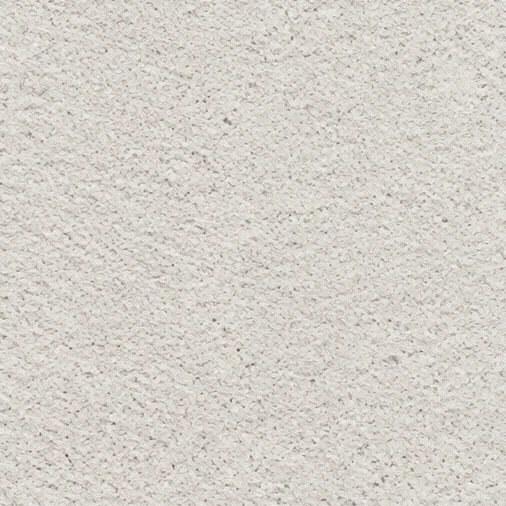
Sponge
Worked with a sponge to give a gently open, stippled surface. An understated option when you want a little texture without a heavy grain.

Fine float
A fine sand-like finish made by working the render with a float. It gives a subtle, uniform texture while still reading as a simple wall from the street.
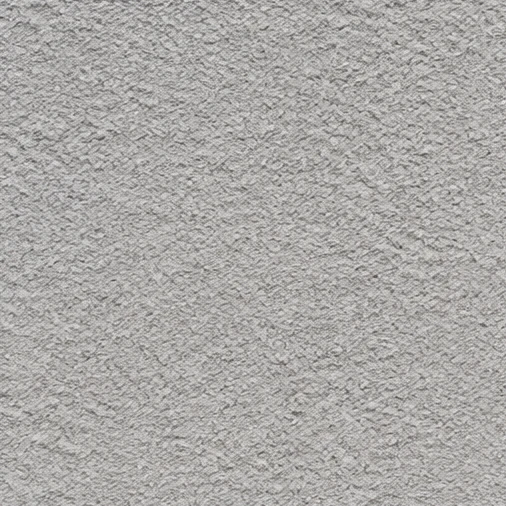
Texture
An acrylic finish with visible aggregate or a chosen pattern. Grain varies between products; inspect an actual sample rather than relying on a finish name.
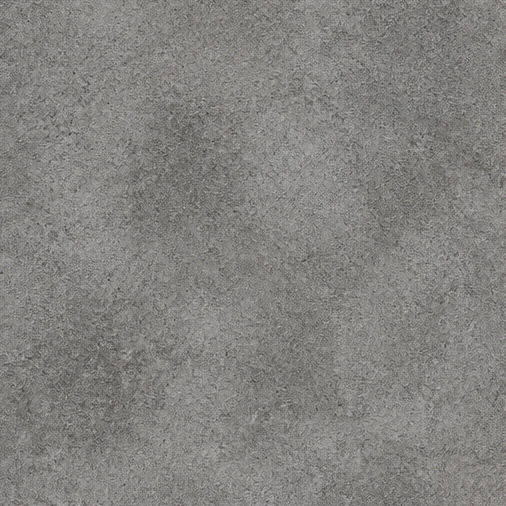
Concrete-look
Hand-worked colour variation and mottling create an architectural concrete effect. It is a decorative finish, not a structural concrete wall.
Choose colour in daylight.
Look at the whole facade
Take your roof, brick, window frames and garage door into account. Compare undertones together: a warm grey can look quite different beside cool metalwork.
Try more than one light
Place a sample outside and view it in morning, afternoon and shade. Screen colours are not reliable colour matches, and a large wall can appear different from a small chip.
Check the product limits
Very dark colours can absorb more heat. Ask about the selected system’s colour and light-reflectance restrictions, especially on lightweight cladding. Confirm the finish, not just the colour name.