HomeownersGuideMelbourne
Render vs cladding: which suits your home?
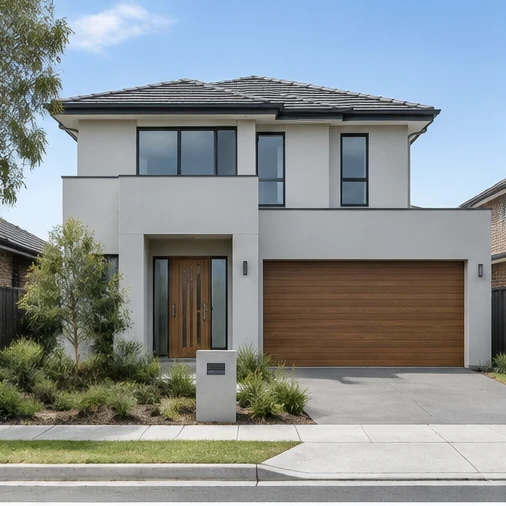
Render and cladding are not always alternatives. Cladding forms the outside wall layer; render is a coating applied over a suitable surface. Many new homes use both: panels first, then a reinforced render and protective finish.
01
Start with the existing wall
Sound brick or block may be suitable for rendering after cleaning, repairs and preparation. A framed extension usually needs an appropriate cladding system first. Loose render, moisture damage or movement must be assessed before covering anything up. A fresh surface cannot solve a leak or a moving foundation.
02
When rendering makes sense
If you want a more continuous facade without replacing sound masonry, render may be a practical option. Cement and acrylic systems have different preparation and substrate requirements. Ask which system suits your wall, how joints will be handled and what final coating is included.
03
When cladding is part of the answer
For new framed walls, extensions or replacement of unsuitable external wall materials, cladding provides the substrate. AAC, EPS and fibre cement are different systems, not interchangeable sheets. The design must account for fixings, flashing, moisture management, joints and fire requirements.
04
Compare the complete quote
Compare the whole job, not just a price per square metre: removal, access and scaffolding, repairs, panels, reinforcement, render, coating and clean-up. Confirm what happens if hidden damage is found. A low starting price can exclude essential preparation.
05
Your next step
Send photos of the whole facade and close-ups of problem areas. Tell us whether this is a new build, extension or existing masonry home. A site inspection helps identify the suitable system; your building surveyor or designer confirms any permit and compliance requirements.
General guidance only. Site conditions, the specified product system and building approvals determine the right approach.